What It's Like Living in Big Pine Key, FL
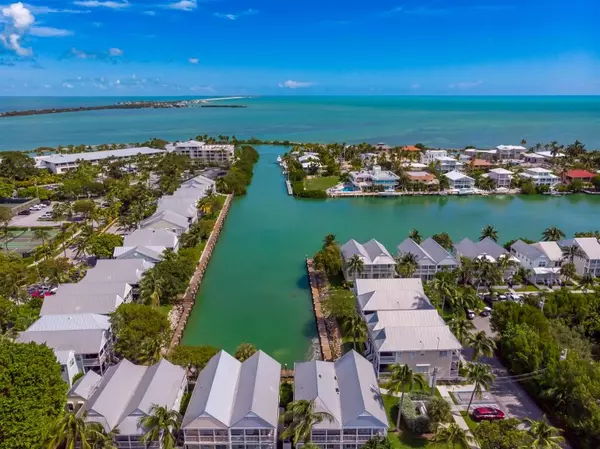
Big Pine Key is a wide, green island where the pace drops the moment you cross the bridge. Sitting at mile marker 30 in the Lower Keys, it's one of the few places in the Florida Keys where protected pine rockland forest, freshwater holes, and tiny Key deer share space with quiet residential neighborhoods.
People who move here are rarely looking for city perks or bumping nightlife. They come for the fishing, the backcountry water access, and a community small enough that the cashier at the grocery store knows your name.
If that sounds like the version of peaceful paradise you've been dreaming of, take a look at our Big Pine Key homes for sale. Our team can walk you through the current properties on the market and what each neighborhood offers.
To introduce you to the area, this guide covers what daily life on the island actually looks like.
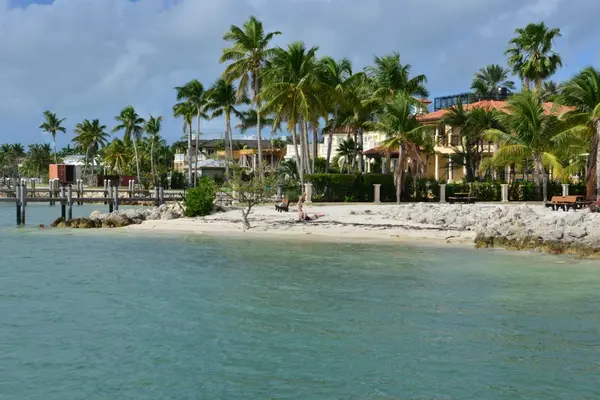
An Overview of Living in Big Pine Key, Florida
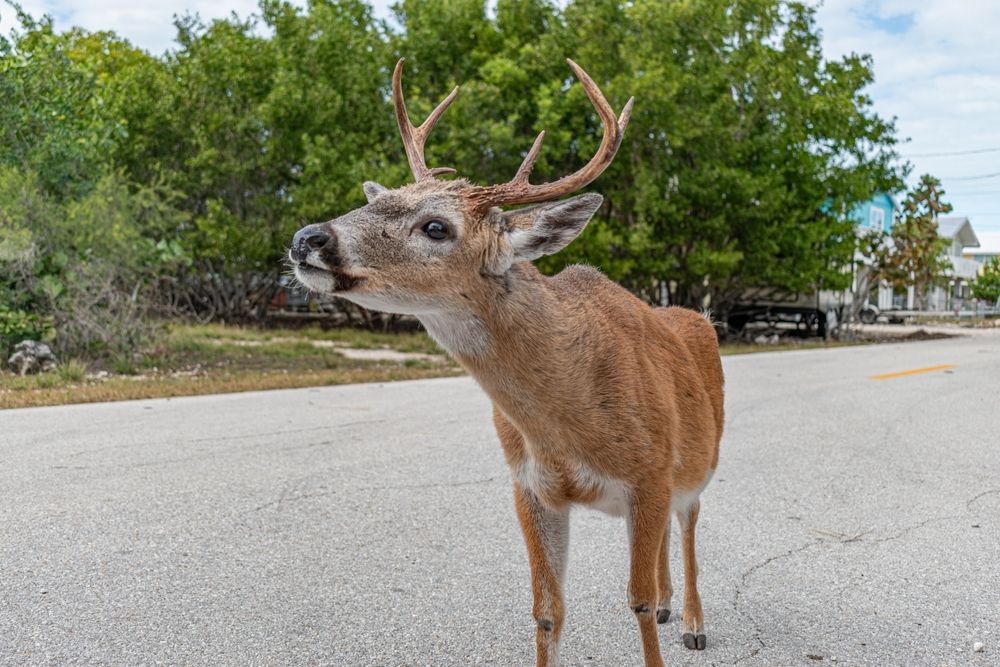
Photo Credit: Teddy Attarian
Big Pine Key is part of unincorporated Monroe County, which means it has no city hall of its own and a noticeably lighter development footprint than Marathon or Key West. The island is large by Keys standards, with residential streets branching well off the Overseas Highway instead of hugging the road's edge.
The year-round population is small (around 4,500 as of the 2020 census), although it swells with tourists during the winter months. That seasonal rhythm shapes everything from restaurant wait times to traffic on US-1.
The modest population makes for a peaceful living environment, far from the rush of more developed places in the Keys such as Key West.
Climate and Hurricane Season
The weather here is warm and humid nearly all year, with mild, clear winters that draw snowbirds down south from October onward. Summer brings heat, afternoon storms, and far fewer people.
Hurricane season runs from early summer into late fall. Full-time residents keep shutters ready, know their evacuation plan, and understand that the single highway out means you need to leave early rather than risk getting stuck late.
Life Inside a Wildlife Refuge
The National Key Deer Refuge is headquartered on the island. Endangered Key deer, which live nowhere else on Earth, wander through yards and along roadsides daily. Speed limits are low and strictly enforced for their sake, especially at dusk.
That protected status is also a real factor in buying here. National Key Deer Refuge boundaries, setback rules, and development limits affect what can be built or expanded on certain parcels of land, so it's worth having an expert review any property before you make an offer.
Dark skies are another beneficial side effect of limited development. On a clear night, the stargazing from a backyard dock on Big Pine Key is better than almost anywhere else in the state.
Year-Round Living or a Seasonal Second Home?
This is the single biggest decision most buyers face here, and the two experiences are genuinely different. A seasonal owner sees Big Pine Key at its most pleasant. A year-round resident sees all sides of it.
Settling In as a Full-Time Resident
Full-time life here is quiet, outdoors, and routine-driven. Think mornings on the water, afternoons at the park or on a project, evenings relaxing at a neighbor’s dock.
That being said, you will also carry the full weight of island logistics. That means hurricane prep every summer, saltwater maintenance on the house and the boat, and a longer wait for contractors and deliveries than you would face in Miami or elsewhere on the mainland.
The tradeoff for all of these challenges is a tight community. Year-round residents form the backbone of the island, and newcomers who show up to the cleanups, the chamber events, and the holiday celebrations are folded into the community quickly.
Using Your Big Pine Key Home as a Seasonal Retreat
Seasonal owners typically arrive in late fall and leave before summer's heat sets in. It's an appealing lifestyle, and a large share of Lower Keys property is used exactly this way.
The work is in the season's close. A home left empty through summer needs humidity control, storm shutters, and a plan for landscaping. Ideally, there's also someone local keeping an eye on it while you're away.
Insurance also tends to treat second homes differently from primary residences, so build that into your numbers before you compare properties.
Renting Out Your Property
Many buyers assume a seasonal home can cover its own costs through short-term rental income. In reality, in unincorporated Monroe County, that's generally not the case.
The county requires a minimum rental term of 28 consecutive days for the same tenant, except in select zones where the special vacation rental program is permitted. In Big Pine Key, due to the proximity of the Deer Refuge, it’s difficult to get a license for rental terms of fewer than 28 days.
Monthly and seasonal rentals are a realistic path, but weekly and weekend rentals are not. Keep in mind that permits, a vacation rental manager license, and fire and life safety inspections are part of the process.
You should confirm the latest requirements with the Monroe County Planning & Environmental Resources Department before making an offer on a property if you intend to rent it out.
Things to Do Around Big Pine Key
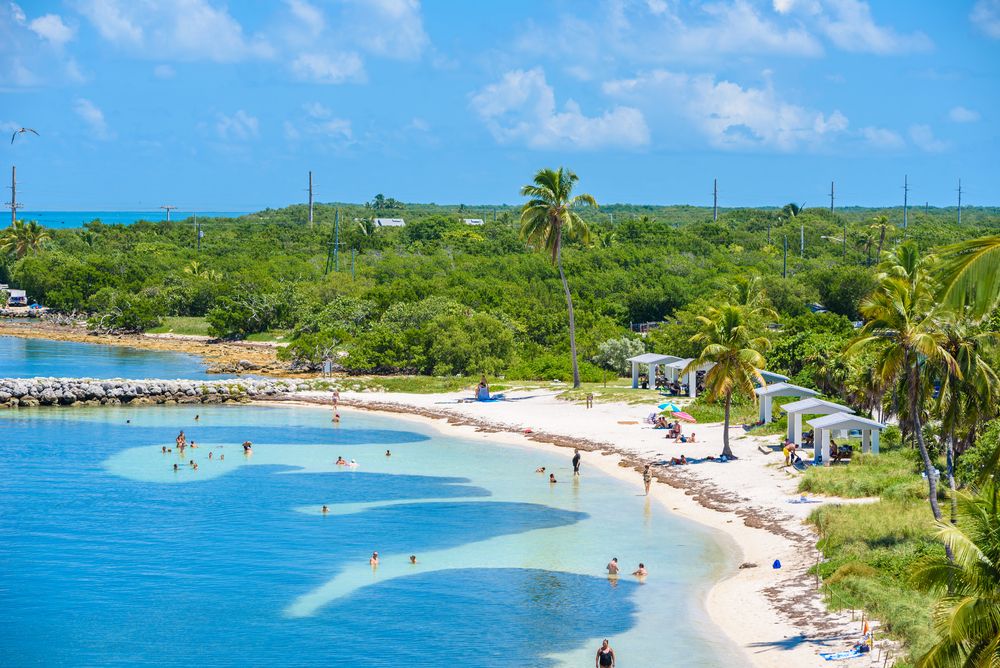
Photo Credit: Simon Dannhauer
Recreation here is water-first and nature-focused. Almost everything on this list is within a short drive or a quick boat ride of Big Pine Key.
- The Blue Hole: A flooded quarry turned freshwater pond inside the refuge, with an observation platform where alligators, turtles, and wading birds are regular sightings.
- Fred C. Manillo Nature Trail: A short, flat loop through pine rockland just past the Blue Hole, best walked early when the Key deer are still out and about.
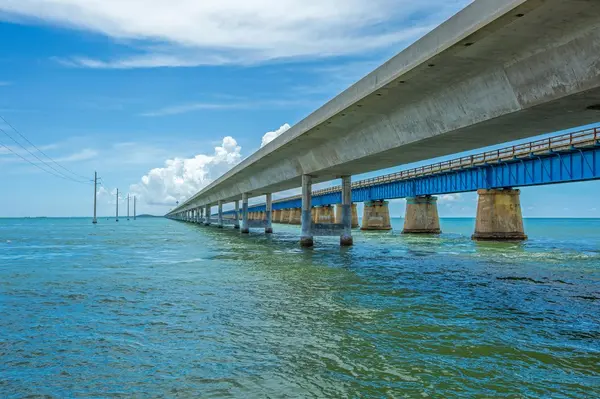
- Bahia Honda State Park: The nearest great beach, roughly ten minutes east, with the old rail bridge, shallow swimming water, and a boat ramp.
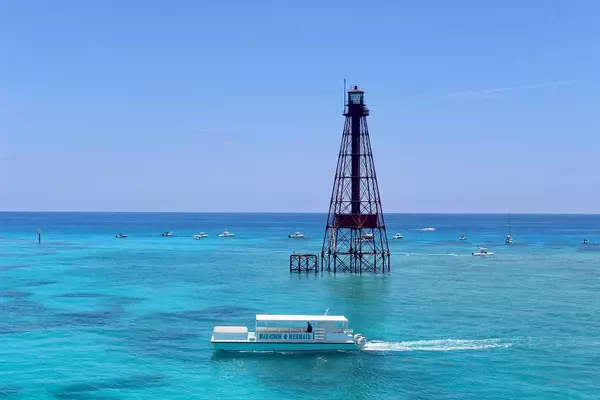
- Looe Key Reef: A spur-and-groove reef, reachable by charter from the island and widely considered some of the best snorkeling and diving in the Lower Keys.
- Big Pine Key Park: Ball fields, courts, a skate park, and the island’s community center, which hosts youth programs and school-break camps.
- No Name Pub: The island’s famous dollar-bill-covered pizza spot; drop in on the way to No Name Key, which is where deer sightings are near guaranteed.
- Big Pine Key Flea Market: A weekend institution during the cooler months, good for everything from fishing tackle to produce.
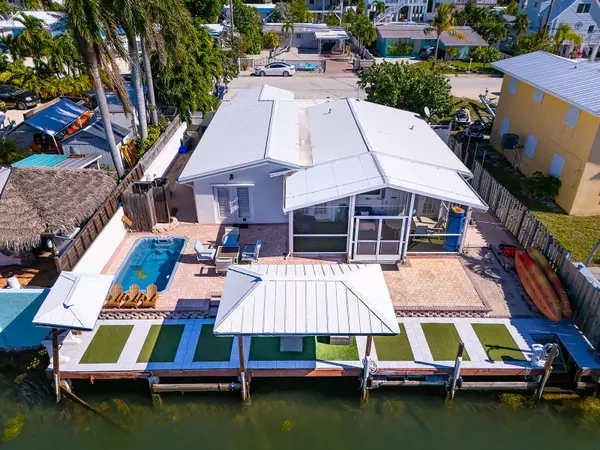
- Fishing: The flats on the bay side, the patch reefs on the ocean side, and the backcountry channels in between make this one of the most productive locations in the Keys, and many homes come with a dock or canal access that puts you on the water in minutes.
The Local Community in Big Pine Key
Here’s what to expect when you become a resident of Big Pine Key.
Safety and Community Spirit
Big Pine Key is a quiet place with very little of the activity that drives crime statistics elsewhere. Formal crime data for the unincorporated Lower Keys is thin, which says something in itself about the number of incidents reported here.
What residents consistently describe is a neighborly environment where people watch each other’s homes during the off season and check in after storms. Monroe County Sheriff’s deputies patrol the island, and a fire and rescue station sits on Key Deer Boulevard, just off the Overseas Highway.
Is Big Pine Key Better for Empty Nesters and Retirees, or Growing Families?
Retirees, remote workers, boaters, and second-home owners thrive here because the island offers time, space, and water in abundance.
Families do live here, and children grow up with an active, outdoorsy childhood that is hard to replicate. The friction points are the school commute for older kids and the limited after-school and weekend activities for teenagers, who typically drive to Marathon or Key West for social activities.
What Are Big Pine Key’s Schools Like?
Monroe County School District serves the island, and it offers a mix of public, charter, and Montessori schools and programs. Most residents of Big Pine Key use the following schools:
- Big Pine Academy: A public charter elementary school located right on the island
- Sugarloaf School: A K-8 campus on Upper Sugarloaf Key; it’s the nearest public option covering middle school grades
- Marathon Middle/High School: The Middle Keys option, about 25 minutes north up US-1 in Marathon
- Key West High School: The larger public high school with the widest range of programs and athletics, but it’s a 45-minute drive south
The practical takeaway is that elementary years can be handled on-island, while middle and high school mean a daily drive in one direction or the other. Families here plan around that commute rather than around a neighborhood zone.
Cost of Living and What to Budget For
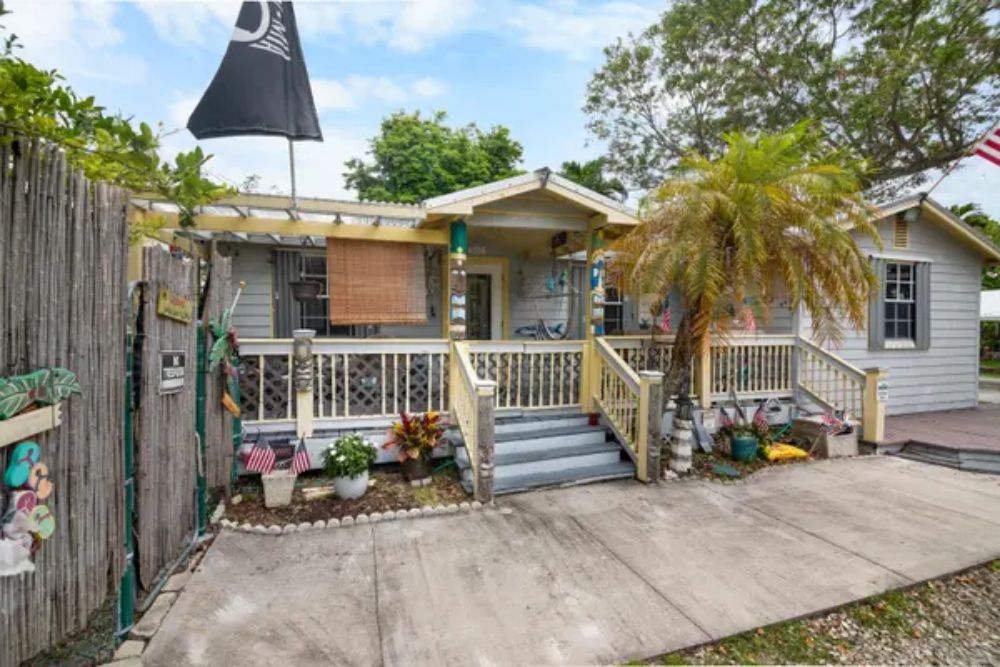
Living in Big Pine Key costs significantly more than the national average, and more than most of mainland Florida. The island is more affordable than Key West or Key Colony Beach, which is a large part of its appeal, but it's still the Keys we're talking about.
- Housing: Median home values run well above national figures, with canal-front and elevated properties commanding the highest prices
- Windstorm and flood insurance: The line item buyers underestimate most; rates in the Lower Keys are among the highest in the state
- Flood zone: Nearly all of the island sits at low elevation, so elevation certificates and flood coverage are part of nearly every transaction
- Groceries and fuel: Everything arrives by truck down a single highway, so expect a premium on both
- Utilities: Electricity costs rise with the air conditioning load, and many properties use septic or shared wastewater systems
- Property taxes: Monroe County rates are moderate, though assessed values in the Keys are not
A frank conversation about the full carrying cost is worth having early, and it is one of the first things we walk buyers through.
Amenities, Everyday Conveniences, and Accessibility
Big Pine Key is one of the few Lower Keys islands with genuine day-to-day convenience. There's a full-service grocery store, pharmacies, a hardware store, a bank, a branch library, a post office, and a solid handful of restaurants and seafood markets along the Overseas Highway corridor.
Medical care, the airport, and big-box retail are off-island. Fishermen’s Community Hospital in Marathon and Lower Keys Medical Center on Stock Island are each roughly half an hour away in opposite directions. The Florida Keys Marathon International Airport is a similar distance north.
Marathon is the closest hub for most errands, and plenty of Big Pine Key residents end up there weekly. If you're weighing the two, our guide to living in Marathon covers that side of the comparison in detail.
Getting Around
The Overseas Highway is the only road on and off the island, so a car is essential. The Lower Keys Shuttle connects Big Pine Key to Marathon and Key West for residents who prefer not to drive, and a paved path alongside US-1 makes biking a realistic option for local trips.
Traffic is generally light outside of high season and holiday weekends. When US-1 backs up, there is no alternate route, which is simply part of island life.
Is Living in Big Pine Key, FL Right for You?
Big Pine Key rewards people who want the natural side of the Florida Keys. You get Key deer in the yard, world-class fishing minutes from your dock, dark skies, and a small community that looks out for its own.
If you're ready to see what's available, start exploring Pine Key homes for sale. Our team lives and works in these islands; we're ready to help you find the right fit.
Categories
Recent Posts