What It's Like Living in Marathon, FL
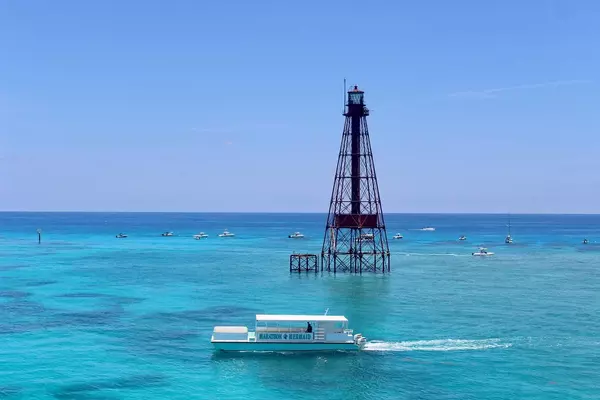
Marathon sits almost exactly smack-dab in the middle of the Florida Keys, a slender string of islands linked by bridges and a noticeably slower pace of life than the mainland.
For anyone weighing a move to the Keys, Marathon is often the town that makes the most sense. It's quieter than Key West, more built-out than the Lower Keys, and centered enough that almost anywhere else in the island chain is within reach. Alongside Key West, it's the only place in the Keys that enjoys city amenities.
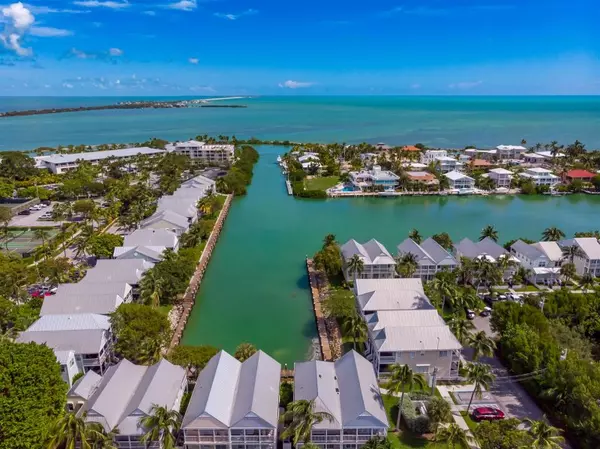
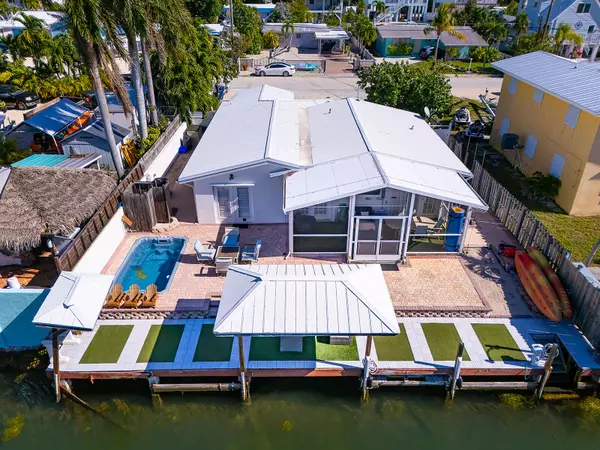
If you're picturing yourself on this stretch of the Overseas Highway, My Middle Keys can walk you through what's currently on the market no matter your income, from waterfront cottages to canal-front homes with private docks.
Our team knows the local listings, neighborhoods, and market conditions well enough to help you figure out what actually fits your budget and lifestyle and get you the best rates.
Before you commit to the move, read on to learn what daily life in Marathon is really like and determine if this is the Monroe County destination for you.
An Overview of Living in Marathon, Florida
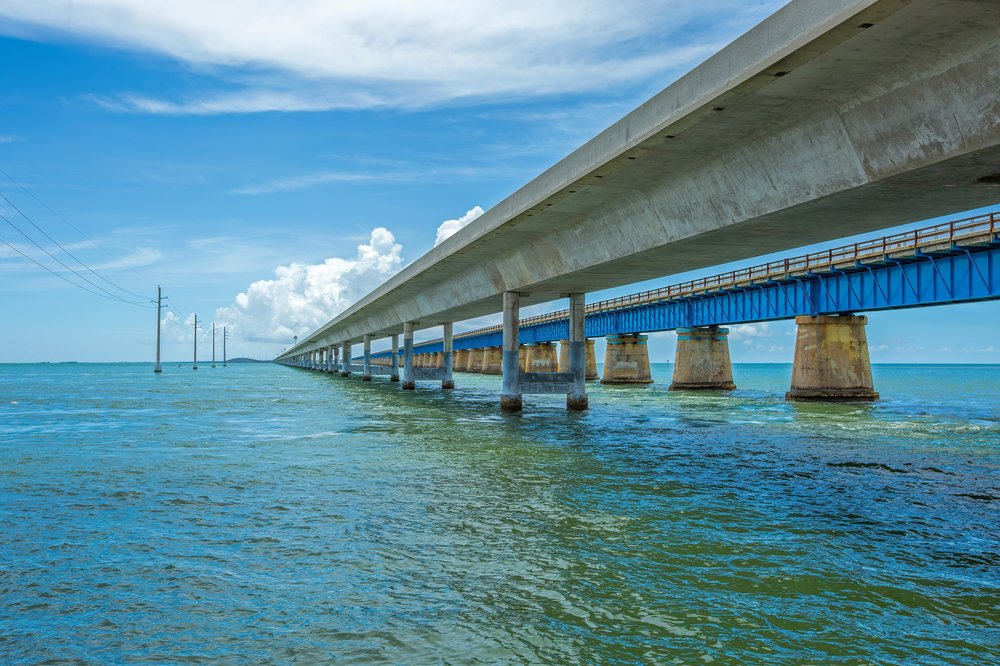
Photo Credit: Kjersti Joergensen
Marathon covers only a few square miles of actual land spread across a series of interconnected keys, so you're never more than a few minutes from open water no matter which direction you head.
The year-round population is small enough that regulars at the grocery store or the marina start to recognize each other within a few months. Much of the local economy runs on fishing, diving, boating, and the steady stream of visitors passing through on their way to or from Key West.
The pace is unhurried most of the year, but it picks up during peak tourist season from January through April, when traffic on the Overseas Highway gets heavier, and restaurants fill up faster.
Climate in Marathon, Florida
The climate in Marathon is definitely worth considering. Florida in general is hot much of the year, but island life in the Keys is tropical.
Hurricane season, which runs from June through November, is a rhythm every Marathon resident learns to plan around. Residents are always prepared for the possibility of hurricane damage and evacuation, so this is an important factor to consider before moving here.
The upside is that Marathon sees incredible weather when much of the rest of the country is cold. You can expect a lovely dry season to offset the rainy season, and throughout the year you'll see temperatures ranging from the temperate mid-60s to the balmy low 90s°F.
Year-Round Living or a Seasonal Second Home
Marathon draws two very different kinds of homeowners, and the day-to-day experience looks different depending on which one you are.
Settling In as a Full-Time Resident
Living in Marathon year-round means building your routine around the island's rhythms. During peak tourist season, everywhere feels busy and traffic can build up on the Overseas Highway.
Grocery runs, errands, and even routine home maintenance take more planning than they would on the mainland, since many goods are trucked down the Overseas Highway. Prices reflect this, too.
Full-time residents take hurricane season seriously, since it means having a plan for storm shutters, flood coverage, and evacuating if a storm tracks toward the Keys.
In exchange, year-round residents get the deepest version of Marathon's community. You can enjoy the small-town environment and really get to know your neighbors. You'll quickly learn which boat ramp is least crowded, which churches have the biggest congregations, and where the best kayak spots are.
Using Your Marathon Home as a Seasonal Retreat
A large share of Marathon's housing stock belongs to snowbirds and second-home owners who use their property most heavily between November and April, then spend the rest of the year elsewhere.
This arrangement sidesteps the thick of hurricane season for owners who prefer not to be in the Keys from summer through fall, though it does mean lining up a property manager, caretaker, or trusted neighbor to check on the home while you're away.
Seasonal owners tend to lean harder on their homeowners' association or a local property manager for things like storm prep and routine upkeep, since they're simply not around to handle it in person. If you're planning on going this route, it's important you take extra care in choosing a property manager.
Things to Do Around Marathon
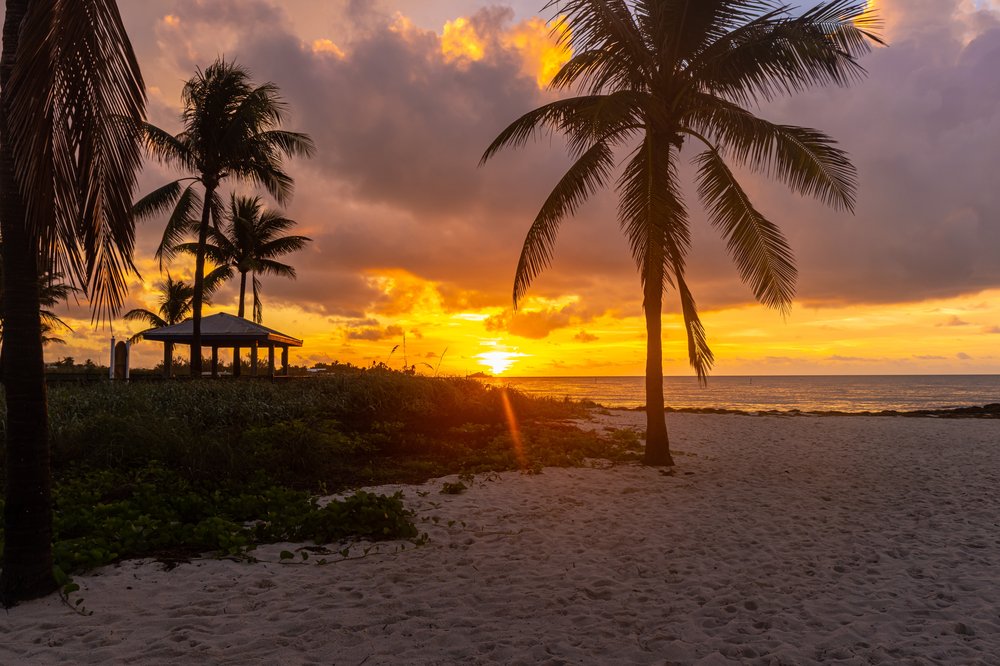
Photo Credit: Billy McDonald
Marathon punches above its weight for a small island, with beaches, wildlife encounters, and water access all within a short drive of most neighborhoods. Here's what fills up a weekend once you're settled in:
- Sombrero Beach: Marathon's main public beach, with shaded picnic areas, a playground, and calm, shallow water that makes it a favorite for families and beach days.
- Curry Hammock State Park: Just north of downtown, known for kiteboarding conditions, a campground, and a nature trail through native hammock and mangrove habitat.
- Crane Point Museum and Nature Center: Walking trails, a small museum, and a butterfly meadow for a closer look at the Keys' ecosystem.
- Dolphin Research Center: On Grassy Key, about ten minutes north of central Marathon, with up-close encounters with dolphins and sea lions.
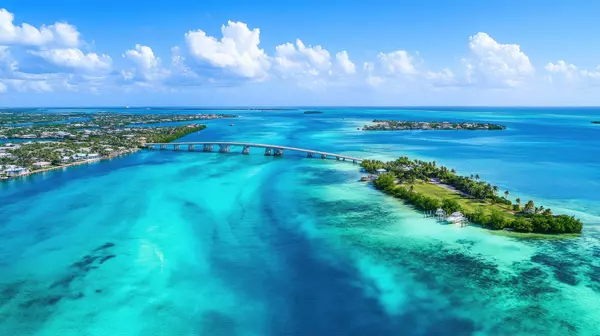
- Old Seven Mile Bridge: One of the most recognizable stretches of road in the Keys, with a walking and biking path that leads out to Pigeon Key.
- Pigeon Key: A small historic district reachable from the old bridge, with a museum covering the railroad workers who once lived there.
- Boot Key Harbor: The jumping-off point for much of Marathon's fishing and diving culture, with charter boats running trips out of marinas to nearby reef sites.
Marathon is also a great jumping-off point for exploring several nearby islands, like Key Largo and Islamorada.
Safety and Community
Marathon is an incredibly safe place to live. Its overall crime rates sit more than 70% lower than national averages, and its violent crime rates are even lower. The city has a small-town character where neighbors tend to know each other and look out for one another.
That closeness shows up in local traditions like the annual seafood festival and holiday boat parade. Marathon, for all its tourist traffic, is still very much a community first.
Who Lives in Marathon, Florida
Here are some quick stats to get a better idea of the community makeup of Marathon.
- Median Age: Mid-40s
- Median Income: Around $89,000 per year
- Number of Year-Round Residents: About 10,000
Is Marathon Better for Empty Nesters and Retirees, or Growing Families?
Marathon's slower pace, water-focused lifestyle, and limited school options tend to appeal strongly to retirees, empty nesters, and buyers without kids, who don't need to plan around a school calendar or a wider range of extracurriculars.
That said, plenty of families do raise children in Marathon successfully, especially ones who value a tight-knit community and an outdoor-heavy childhood over a large school district with more choices. It comes down to how much you weigh a bigger backyard, so to speak, against a bigger campus.
Safety is high in Marathon, and since the community is so small, it's quite appealing to certain kinds of families who want to give their kids more freedom and instill in them a love for the island lifestyle.
What Are Marathon's Schools Like?
Marathon falls under the Monroe County School District, which has earned strong marks from the state in recent years.
On the island itself, Stanley Switlik Elementary serves the youngest students, while Marathon Middle High School combines middle and high school students under one roof, a reflection of just how small the year-round student population is.
Because there's only one school per grade band on the island, some families supplement with online coursework or move to a larger Keys community once kids reach the upper grades.
Cost of Living and What to Budget For
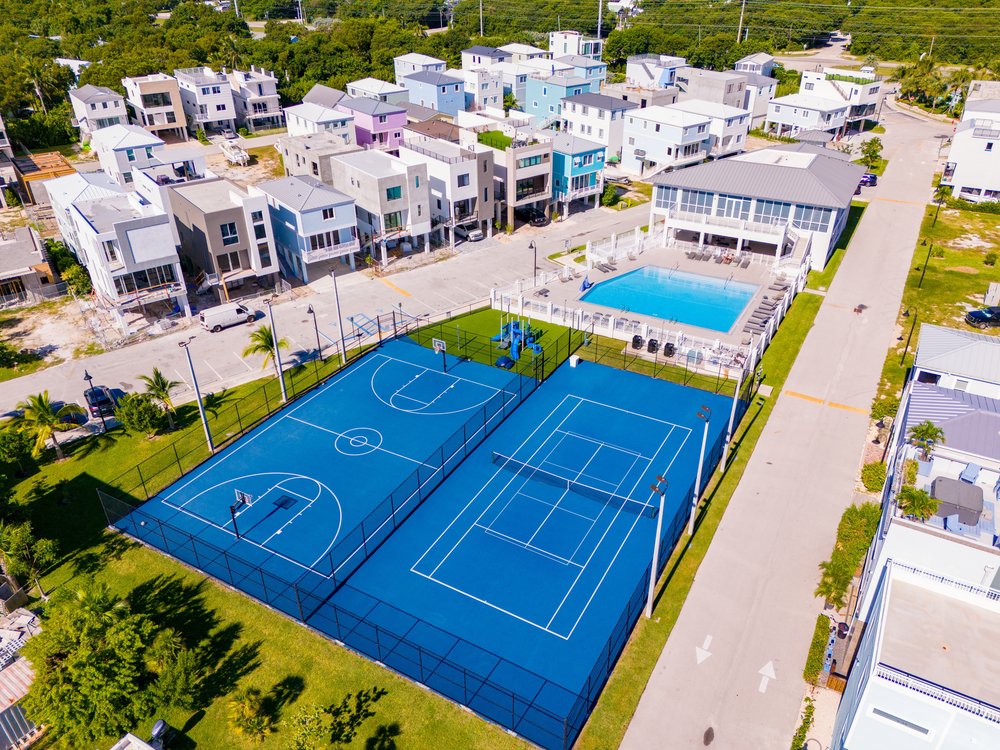
Photo Credit: Felix Mizioznikov
Living on an island chain comes with a few predictable costs that catch new residents off guard. Here's what to build into your budget before making the move:
- Housing: Home prices generally run well above the Florida average, driven by limited land and steady demand for waterfront properties. The median home price sits around $775,000 in Marathon.
- Homeowners and flood insurance: A bigger line item here than in most of the country given the area's hurricane exposure, so it's worth getting quotes early in the buying process rather than after you're under contract.
- Flood zone and wind mitigation: Buyers looking at older homes should ask about flood zone designation and wind mitigation features, since both affect ongoing insurance costs.
- Groceries and building materials: Prices tend to run higher than on the mainland, largely because nearly everything travels down the Overseas Highway to get here. This is typical for those based on an island.
- Utilities: Costs can run higher too, particularly with air conditioning working overtime for most of the year in the tropical climate.
- Taxes: Monroe County has a 1.5% additional sales tax on top of the Florida state sales tax of 6%, which contributes to slightly higher-priced goods.
None of this tends to be a dealbreaker for residents who plan for it, but it's worth budgeting for a somewhat higher cost of living than you'd find in a comparable inland Florida town.
Amenities and Everyday Conveniences
Marathon has the essentials covered, with grocery stores, hardware stores, pharmacies, and a mix of local restaurants and shops spread along the Overseas Highway.
For anything beyond the basics, like big-box retail or a larger shopping mall, most residents visit Key West or head up the Keys toward the mainland.
Baptist Health Fishermen's Community Hospital covers local healthcare needs, handling emergency and general care. More specialized treatment is available 2.5 hours away in Miami.
Boaters are well served in Marathon, with multiple public boat ramps and marinas supporting the town's fishing and diving culture. It's also not uncommon to find properties with their own boat slip.
Accessibility in Marathon
Living on a paradise island has its trade-offs. Usually it's in accessibility. Fortunately, for Marathon residents, that isn't really the case. Thanks to the Overseas Highway, the mainland is totally accessible by car, no ferry required.
It is worth noting that public transport systems are few and far between, so you'll likely want to have your own car to get around.
Marathon even has its own airport called the Florida Keys Marathon Airport (MTH). Currently, it only provides charter operations, but it has provided commercial services in the past and may do so again in the future.
Is Living in Marathon, FL Right for You?
Marathon offers a rare mix of laid-back island living, direct water access, and a tight-knit year-round community, balanced against some tradeoffs like a higher cost of living and limited on-island school options.
Consider booking a short stay in a vacation rental to get to know the area better, no matter if you're picturing a full-time move or a seasonal escape from colder weather.
It also helps to see what real estate is actually available before deciding. Browse current Marathon homes for sale to get a feel for the market and begin the search for your dream home in paradise.
Categories
Recent Posts